Story · 2 min read
Ixchel, the Maya Goddess of Isla Mujeres
The moon goddess gave an island its name and drew pilgrims from across the peninsula. What's known about her, what isn't, and where to find her today.
By Alfonso G · Published
- Who
- A Maya goddess tied to the moon
- Where
- Punta Sur on Isla Mujeres, and Cozumel
- The temple
- Hurricane Gilbert nearly destroyed it in 1988
- The name
- The female figures the Spanish found
Who Ixchel is
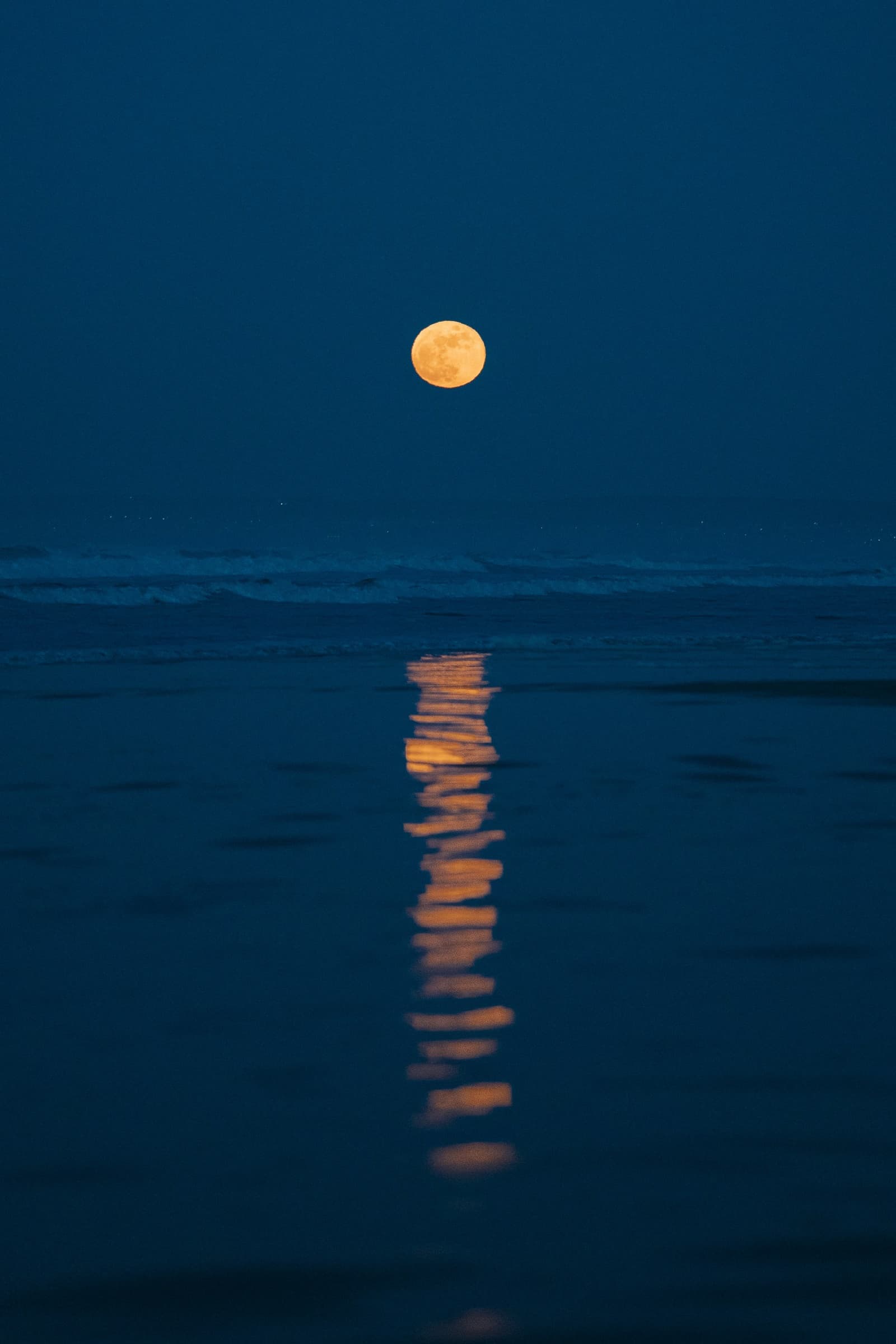
Ixchel is a Maya goddess tied to the moon. Mexico's INAH describes her as the lunar goddess who made her pilgrimage across the sky.
On Isla Mujeres she's also remembered as a goddess of love and fertility.
Why the island has its name
In the 16th century, the Spanish who reached the island found female figures left as offerings to Ixchel. That's where the name Isla Mujeres, the island of women, comes from.
The temple at Punta Sur
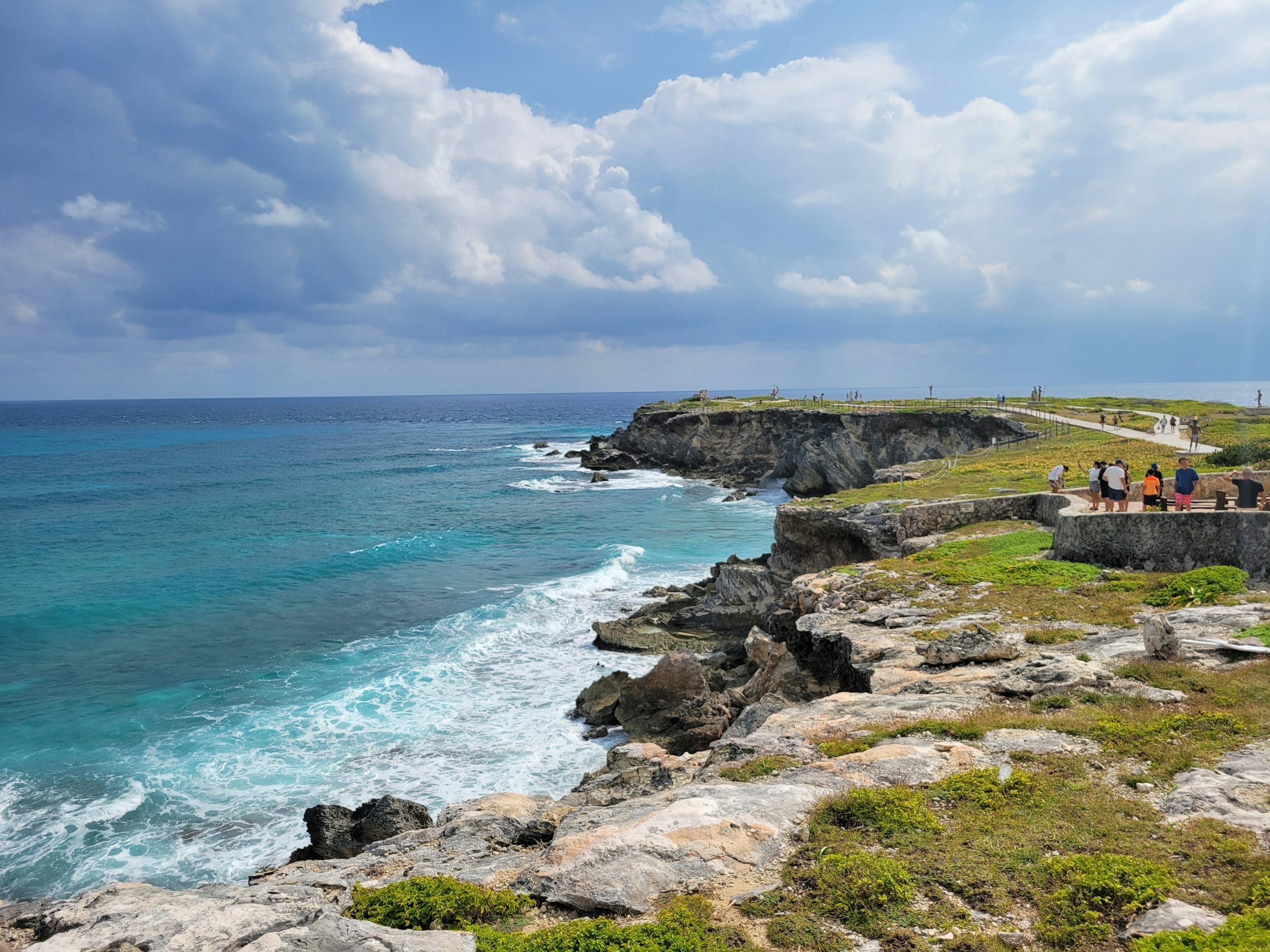
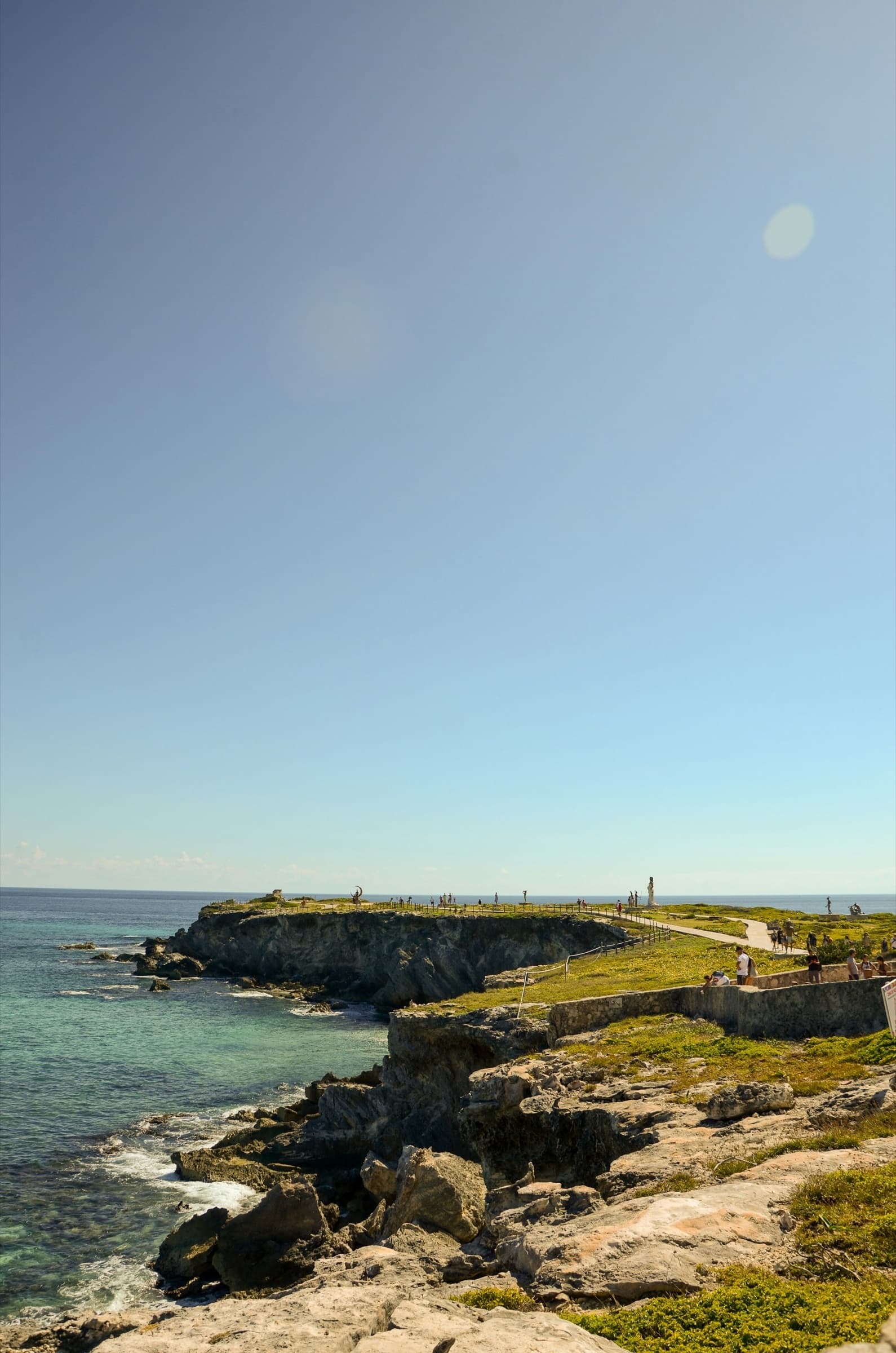
At Punta Sur, the easternmost point of Mexico, are the remains of a small Maya temple dedicated to Ixchel. Hurricane Gilbert, in 1988, destroyed it almost completely: today the foundations and part of the walls remain.
A small temple facing the open sea, where the town says the sun reaches Mexico first.
Cozumel and the moon's crossing
Spanish chroniclers wrote that Cozumel mattered for its sanctuary of Ixchel, which drew pilgrims from different parts of the Yucatán Peninsula.
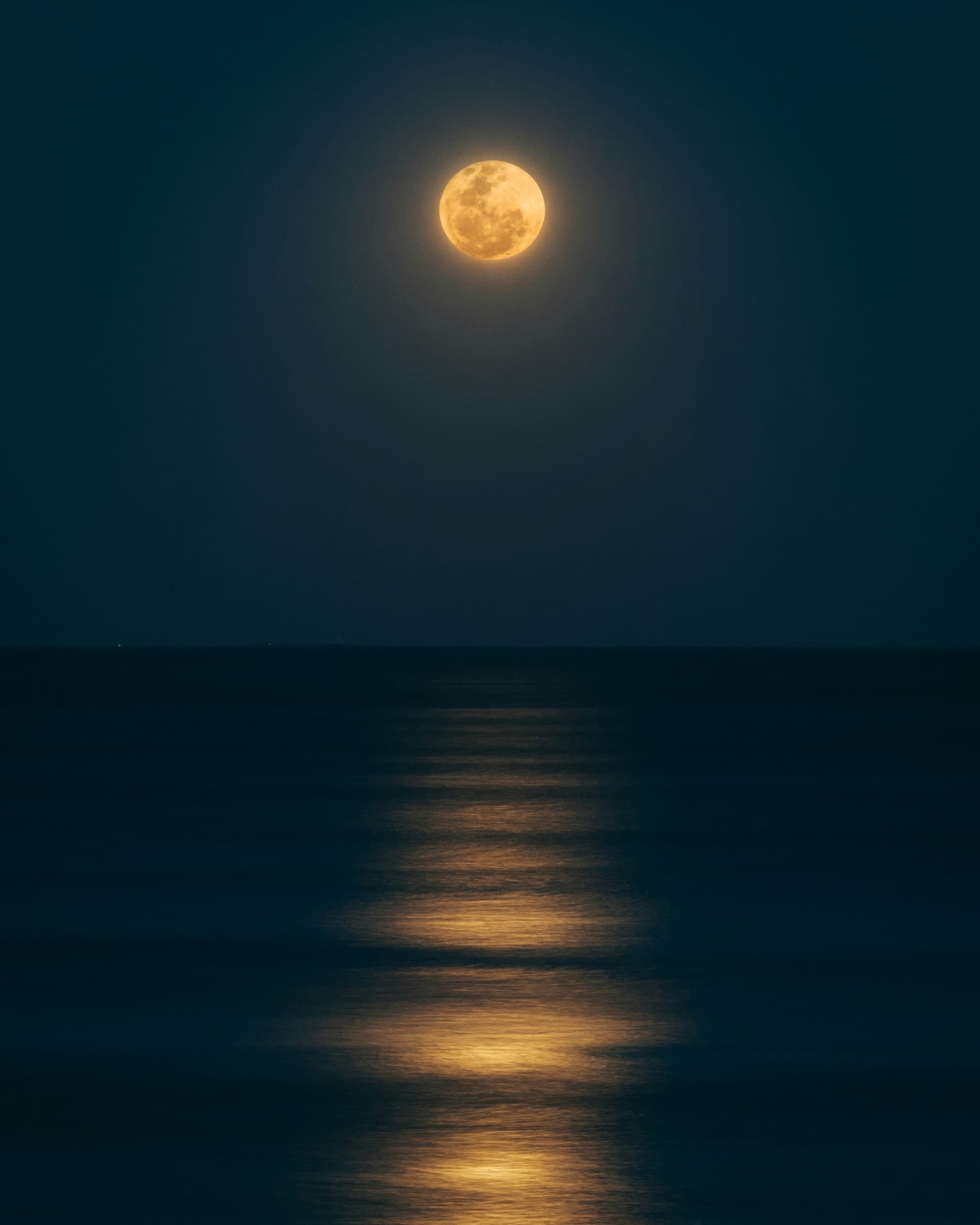
According to INAH, the ritual crossings from the mainland to Cozumel followed the path of the moon through its phases.
Where to find her today
On Isla Mujeres, at Punta Sur, next to the sculpture park. On Cozumel, at the San Gervasio archaeological site. Either one is a day trip from Cancún.
Questions we get
- Who was Ixchel?
- A Maya goddess tied to the moon. On Isla Mujeres she's also remembered as a goddess of love and fertility.
- Where is the temple of Ixchel?
- At Punta Sur, at the southern tip of Isla Mujeres. Hurricane Gilbert nearly destroyed it in 1988; the foundations and part of the walls remain.
- What does Cozumel have to do with Ixchel?
- Chroniclers describe a sanctuary of Ixchel on Cozumel, with pilgrims from across the peninsula. INAH notes there's no evidence that San Gervasio was a city devoted to her.